Labubu vs Other Designer Toys — What Makes It Different

Introduction
The designer toy market is not small. Hundreds of characters, dozens of brands, thousands of releases every year — and most of them follow a predictable formula. A distinctive character design, limited production runs, a collector community built around scarcity. The formula works, which is why so many brands use it.
So why does Labubu stand apart from all of them?
The answer is not simple, and it is not just about marketing. There are specific things Labubu does differently — some deliberate, some accidental — that have allowed it to build a following that most designer toy brands never achieve. This post breaks them down honestly.
What Is a Designer Toy and Why Does It Matter
The Category Labubu Sits In
Designer toys — sometimes called art toys — occupy a specific space between collectible merchandise and contemporary art. They are produced in limited quantities, designed by artists rather than corporate toy departments, and sold primarily to adult collectors rather than children. The category has been growing steadily since the late 1990s, driven by brands like Kaws, Bearbrick, and Dunny, and more recently by the blind box model that companies like Pop Mart have popularised globally.
Why the Category Is Crowded
The success of the blind box model in particular has created a crowded market. Once it became clear that sealed randomised packaging could drive repeat purchases and community engagement in ways that standard retail could not, dozens of brands adopted the format. The result is a market where differentiation is genuinely difficult — most blind box characters follow similar visual logic, similar release schedules, and similar community mechanics.
Standing out in this environment requires something beyond a good character design. Labubu has it. The question is what that something actually is.
How Labubu Compares to the Main Competitors
Labubu vs Bearbrick
Bearbrick is the most established name in the designer toy space and the most natural point of comparison. Both have built massive global collector communities. Both operate on a scarcity model. Both have crossed over into fashion and streetwear in significant ways.
The key difference is accessibility. Bearbrick at the entry level is a small plastic figure with limited character expression — the appeal comes primarily from the artist collaborations and the scale options rather than the character itself. Labubu has a character that communicates independently of collaboration. You do not need to know who designed it to have a reaction to it. The pointed ears, the expression, the personality — it works without context.
Bearbrick also skews significantly more expensive at the scales that generate the most interest. A 400% Bearbrick sits well above the price point of a comparable Labubu release. For a new collector, Labubu is the more accessible entry point without feeling like a compromise.
Labubu vs Kaws
Kaws is the designer toy brand most associated with the crossover between art and commerce — gallery shows, museum installations, mainstream fashion collaborations, and a global collector base that includes serious art collectors alongside toy enthusiasts.
Labubu does not compete on that level and does not try to. What Kaws offers is cultural prestige and artistic lineage. What Labubu offers is character and personality in a format that is wearable, playful, and genuinely accessible.
The audiences overlap but they are not the same. Kaws collectors tend to be invested in the artist and the cultural positioning of the work. Labubu collectors tend to be invested in the character itself — which is a more durable kind of loyalty because it does not depend on the artist's continued cultural relevance.
Labubu vs Sonny Angel
Sonny Angel is probably the closest comparison in terms of price point, format, and target audience. Both are blind box collectibles aimed at adult collectors. Both have strong female-skewing audiences. Both have built significant communities around collecting and trading.
The difference is personality. Sonny Angel is cute in a conventional way — cherubic, soft, non-threatening. Labubu is cute in a more complicated way — there is always something slightly chaotic underneath the appealing exterior, something that makes you look twice. That complexity gives Labubu a broader appeal and a stronger visual identity that photographs and shares better on social media.
Labubu vs Funko Pop
Funko Pop represents the mass market end of the collectible toy category — licensed character figures sold at accessible price points through mainstream retail channels. The comparison with Labubu is instructive precisely because they represent such different approaches.
Funko Pop's value proposition is the breadth of licensed IP. The appeal is recognising your favourite character in the format. Labubu's value proposition is the character itself — an original creation with its own personality and storytelling roots that does not depend on borrowed IP to generate interest.
The collector dynamics are also completely different. Funko Pop collecting is primarily about completionism within licensed universes. Labubu collecting involves the blind box mechanic, scarcity, community trading, and the hunt for rare editions — which creates a fundamentally more engaged collecting experience.
What Labubu Does That Others Do Not
The Character Works Independently
This is the most fundamental differentiator and the hardest one to manufacture. Labubu has a character that communicates personality without requiring explanation. Most designer toy characters need context — you need to know the artist, the reference, the cultural positioning to fully appreciate the piece. Labubu does not.
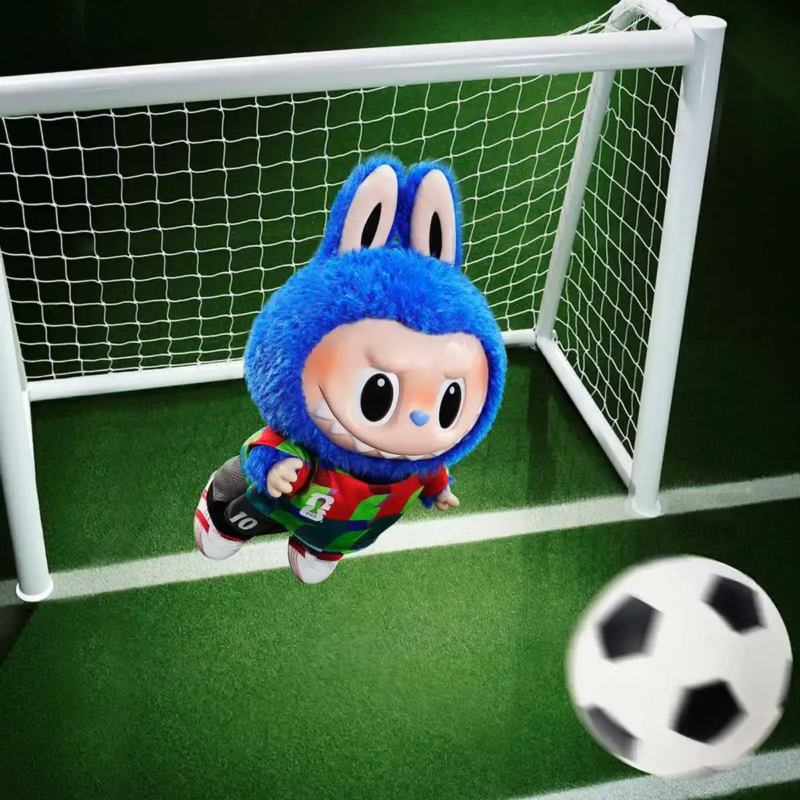
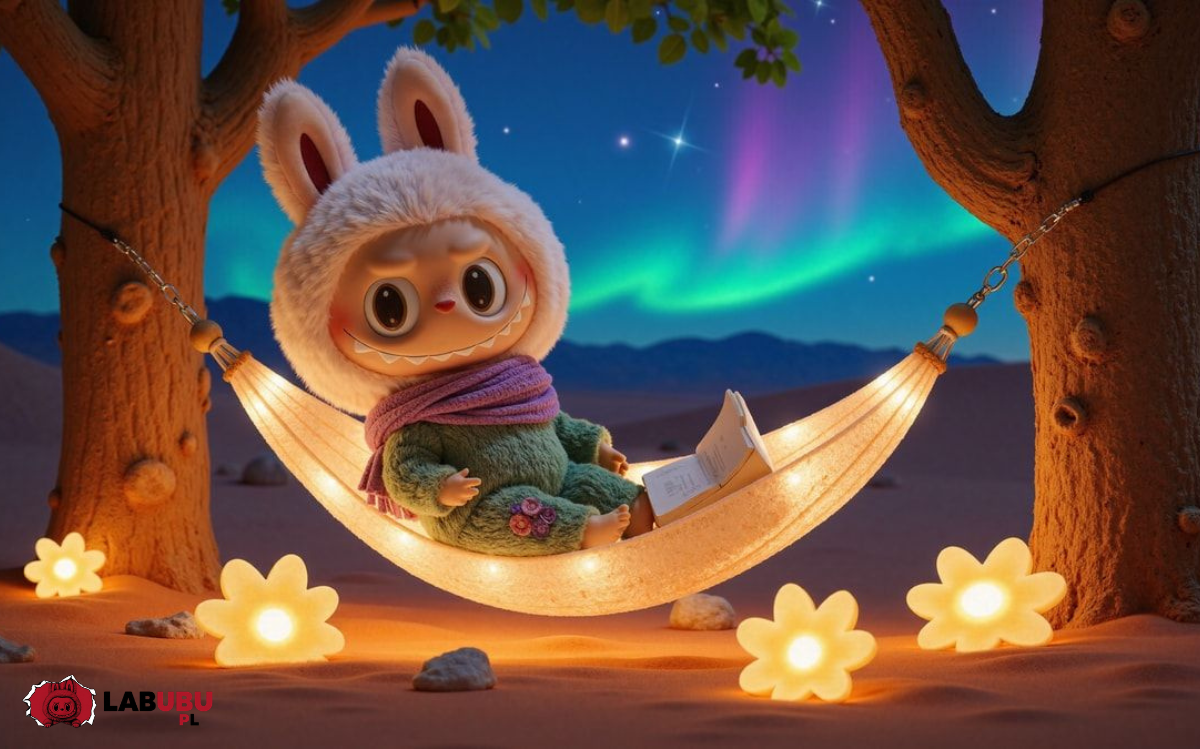
The pointed ears, the nine-toothed grin, the expression that sits somewhere between mischievous and delighted — it reads immediately and memorably. Someone who has never heard of Labubu will still have a reaction to it. That kind of immediate character communication is genuinely rare in the designer toy space.
The Wearable Format Changed Everything
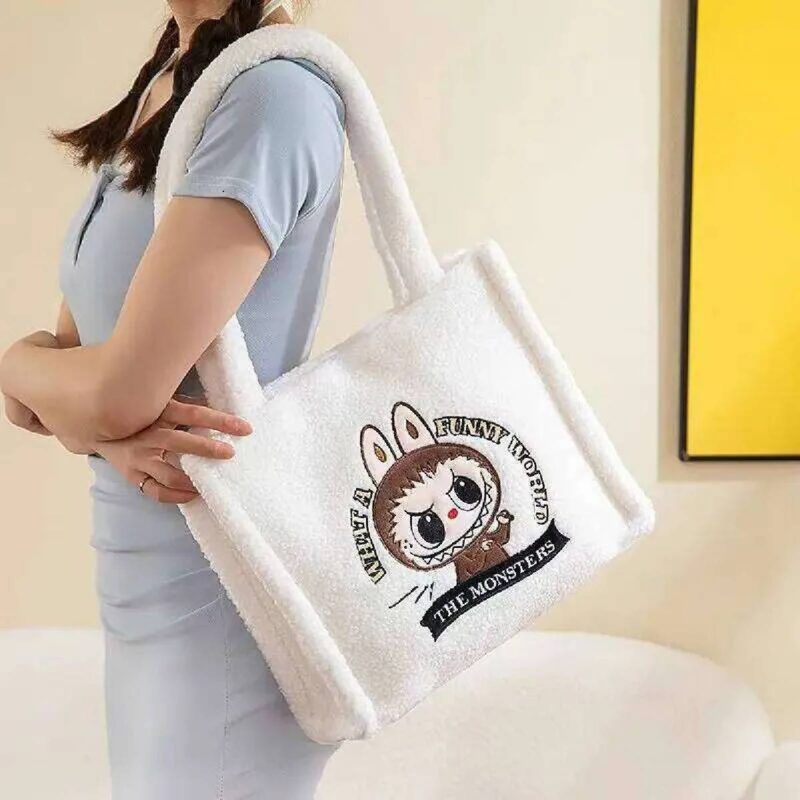
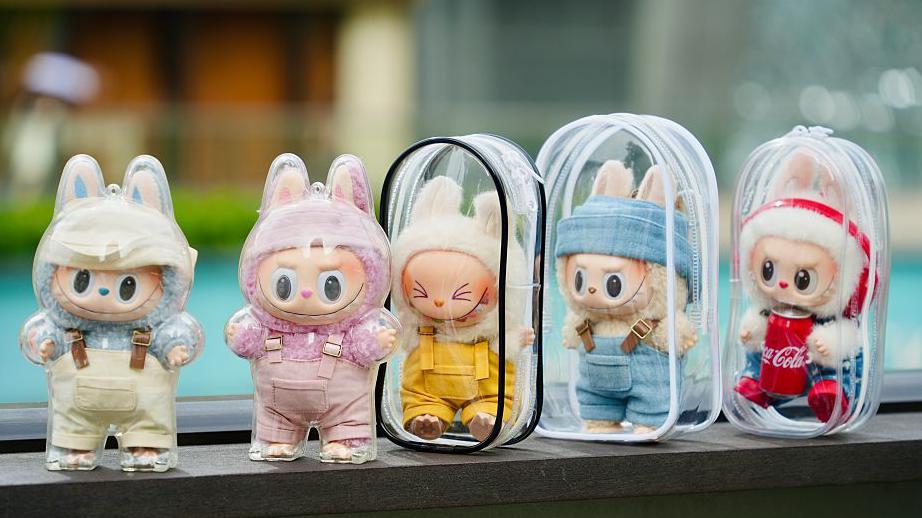
Most designer toys sit on shelves. Labubu went on bags. The bag charm format — a soft plush figure that clips to a handbag, backpack, or jacket — turned a collectible into a daily accessory that millions of people carry into public spaces every day.
This is not a small thing. It transformed the visibility of the brand in a way that no amount of advertising could replicate. Every Labubu bag charm worn in public is a piece of ambient marketing that reaches everyone who sees it. The product became its own promotion in a way that shelf pieces cannot.
The Blind Box Mechanic Is Executed Better
Blind box collecting is not unique to Labubu. But the way Labubu executes the mechanic — the ratio of standard to secret figures, the visual distinctiveness of each character within a series, the community that builds around trading and discussing pulls — creates a more engaging collecting experience than most competing brands manage.
The secret edition mechanic in particular is effective because the odds are genuinely challenging without being impossibly discouraging. One in seventy-two is hard enough to make a pull feel significant, accessible enough to keep collectors buying rather than giving up.
Celebrity Visibility at the Right Moment
The timing of Labubu's celebrity association was fortunate but the impact was real. When globally recognised names were photographed with Labubu bag charms at airports and events, the images circulated to audiences that would never have encountered the brand through collector channels.
This kind of visibility has happened for other designer toy brands — Kaws in particular has benefited from celebrity association. The difference with Labubu was that the wearable format made the celebrity endorsement immediately legible. People could see exactly what was being worn and where to get one in a way that a shelf figure does not enable.
The Price Point Is Right
Labubu occupies a price range that is accessible enough for impulse purchasing while still feeling premium enough to be worth collecting. Entry-level pieces — keychains, single blind boxes — sit in the €25 to €40 range. Mid-range pieces — pendants, smaller dolls — run €50 to €100. The larger collaboration pieces and anniversary figures extend into higher territory, but they represent a small fraction of overall volume.
This range allows Labubu to serve multiple types of buyers simultaneously — the curious newcomer, the casual collector, and the serious enthusiast — without requiring any of them to make a financial commitment they are not comfortable with.
Where Labubu Still Has Ground to Cover
The Artistic Prestige Gap
Compared to Kaws or even established Bearbrick artists, Labubu does not carry the same gallery-level cultural prestige. For collectors whose primary motivation is art investment or cultural positioning, Labubu does not yet occupy the same space. This may change over time, but it is a genuine gap in the current market positioning.
The Licensing Model Has Risks
The collaboration model that has driven many of Labubu's most significant releases — FIFA, Hello Kitty, Coca-Cola — creates dependence on external IP holders. A collaboration that does not land, or a licensing relationship that ends, can create gaps in the release schedule that competitors might exploit.
Counterfeit Saturation
The popularity that makes Labubu distinctive also makes it a target for counterfeiters. The quality of replica products has improved considerably, and the presence of counterfeits in the market creates authenticity uncertainty that benefits retailers who can guarantee genuine stock over anonymous marketplace sellers.
Why Polish Collectors Are Choosing Labubu Over Other Designer Toys
In Poland specifically, Labubu has found its audience faster than most competing designer toy brands for reasons that reflect the local market. The price point works for Polish purchasing power. The wearable format appeals to a Polish fashion consciousness that has been growing steadily. The blind box mechanic maps well onto a collector culture that already exists around trading cards, figurines, and limited edition releases in other categories.
For Polish collectors who want to buy genuine Labubu pieces without the delays and authenticity uncertainty of international sourcing, labubuhub.pl carries the full current range with domestic shipping and free delivery on all orders.
Frequently Asked Questions
Is Labubu better than Bearbrick?
They serve different purposes. Bearbrick is primarily driven by artist collaboration and comes at a higher price point. Labubu has a stronger original character identity and a more accessible entry level. For new collectors, Labubu is the more practical starting point.
How does Labubu compare to Sonny Angel?
Both are blind box collectibles at similar price points. Labubu has a more complex visual personality and stronger social media presence. Sonny Angel has a longer established history. The audiences overlap significantly.
Why is Labubu more popular than other blind box toys?
The combination of a strong original character, the wearable bag charm format, effective celebrity visibility, and well-executed blind box mechanics creates an appeal that most competing brands do not match simultaneously.
Is Labubu a good investment compared to other designer toys?
Limited collaboration editions and anniversary releases have historically increased in value once retail stock is gone. Compared to entry-level Bearbrick or Funko Pop, Labubu limited editions have shown strong resale performance, though past performance does not guarantee future results.
Where can I buy genuine Labubu in Poland?
Labubuhub.pl carries genuine Labubu figures, blind boxes, bag charms, pendants and fashion accessories with domestic shipping from within Poland — free delivery on all orders.
Is Labubu suitable for someone new to designer toys?
Yes — the accessible price points, the wearable formats, and the blind box mechanic make it one of the more natural entry points into designer toy collecting for someone who has not bought in the category before.
Conclusion
Labubu is not the only designer toy worth collecting, and it would be dishonest to suggest otherwise. Bearbrick, Kaws, Sonny Angel, and others all have genuine appeal and established collector communities. The designer toy market is large enough to support multiple significant players.
What makes Labubu different is not any single thing — it is the combination. An original character with immediate visual communication. A wearable format that took the product off the shelf and into public spaces. A blind box mechanic executed at a level that creates genuine collecting engagement. A price range that works across multiple buyer types. And celebrity visibility that arrived at exactly the right moment.
In Poland specifically, those factors have combined to create one of the fastest-growing collector communities in the European market. For collectors who want to participate in that community with genuine stock and fast domestic delivery, the full Labubu range is available at labubuhub.pl.